
Recently a few people in my network shared a video with me on WhatsApp. These are the people who either know or share my interest in nature and wildlife. It’s a video of a nesting Great Hornbill (Buceros bicornis) pair. Hornbills have this peculiar nesting style where the female seals herself in the cavity of a tree during the incubation period. During this time, the male diligently performs the duty of keeping the female well fed. Hornbills are predominantly frugivores but they also prey on small mammals, birds and reptiles.
Now you may be wondering what any of this has to do with the topic of this post but stay with for a bit and we’ll get right to it. It’s not so much about the video but the text that it came with. Each time I received it, the text was a little different. They all meant the same thing but I could tell that it was modified slightly by someone before pushing it forward.
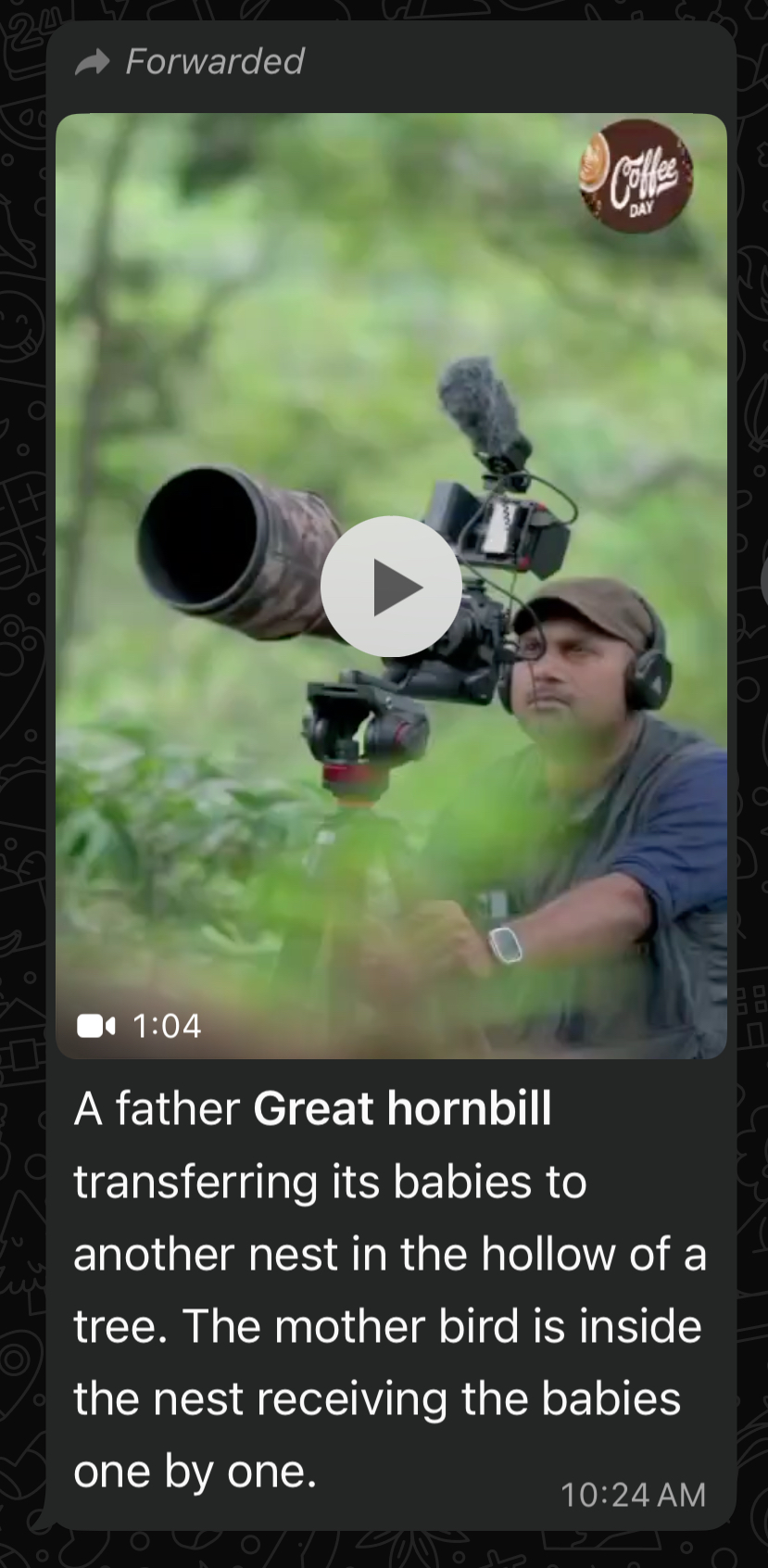
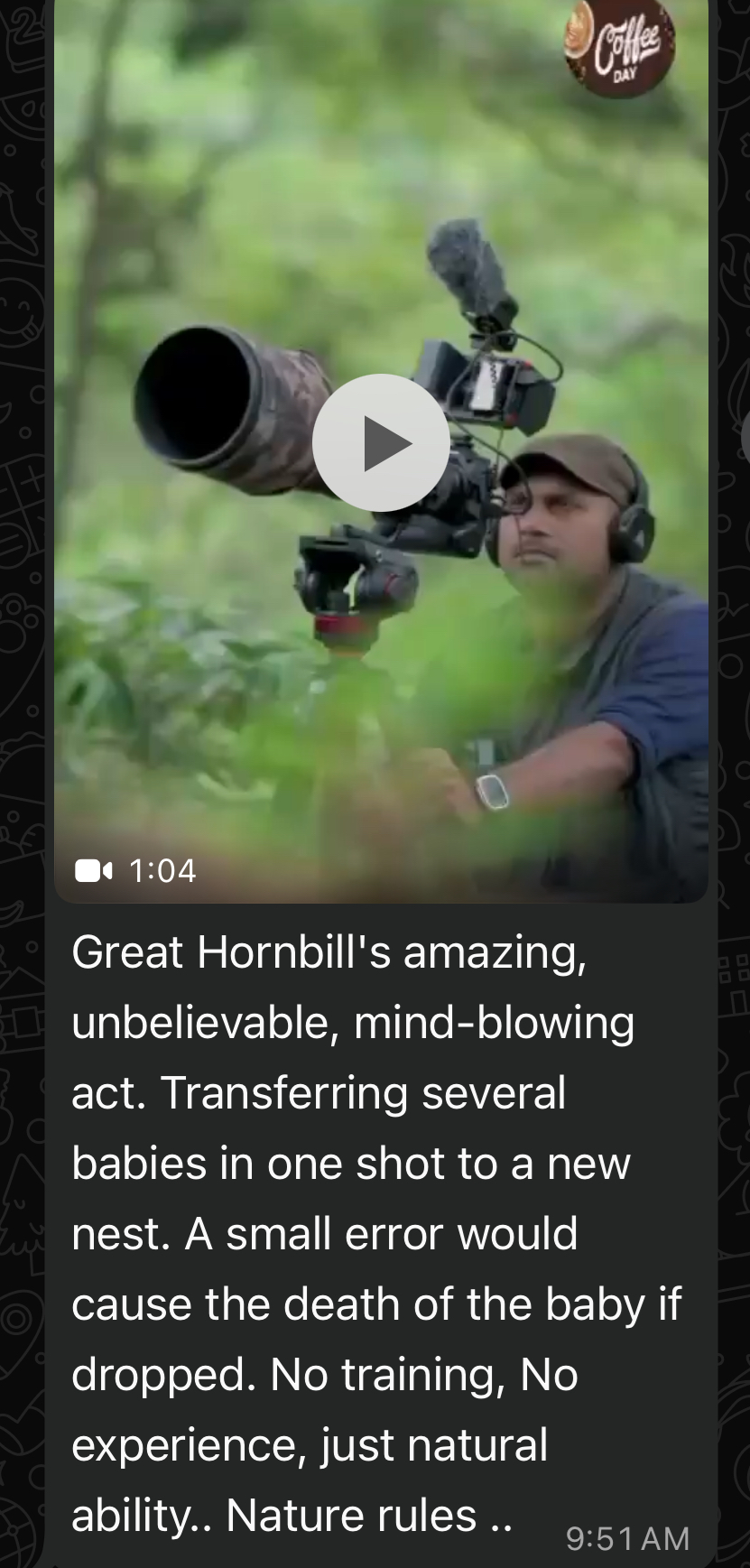
If you are curious about the video, you can watch it here. The video shows a male great hornbill bringing chicks to the female who’s inside the nest and the text praises the parent for “transferring” so many babies in one shot stating how incredible nature is.
There’s one problem though, what’s written in the text is made up. What in fact is happening is that the male Hornbill is bringing chicks of some other birds that it has preyed on and feeding them to the mother. It in fact swallowed a couple of chicks and now regurgitating them which is very typical for Hornbills. Nature is indeed incredible!
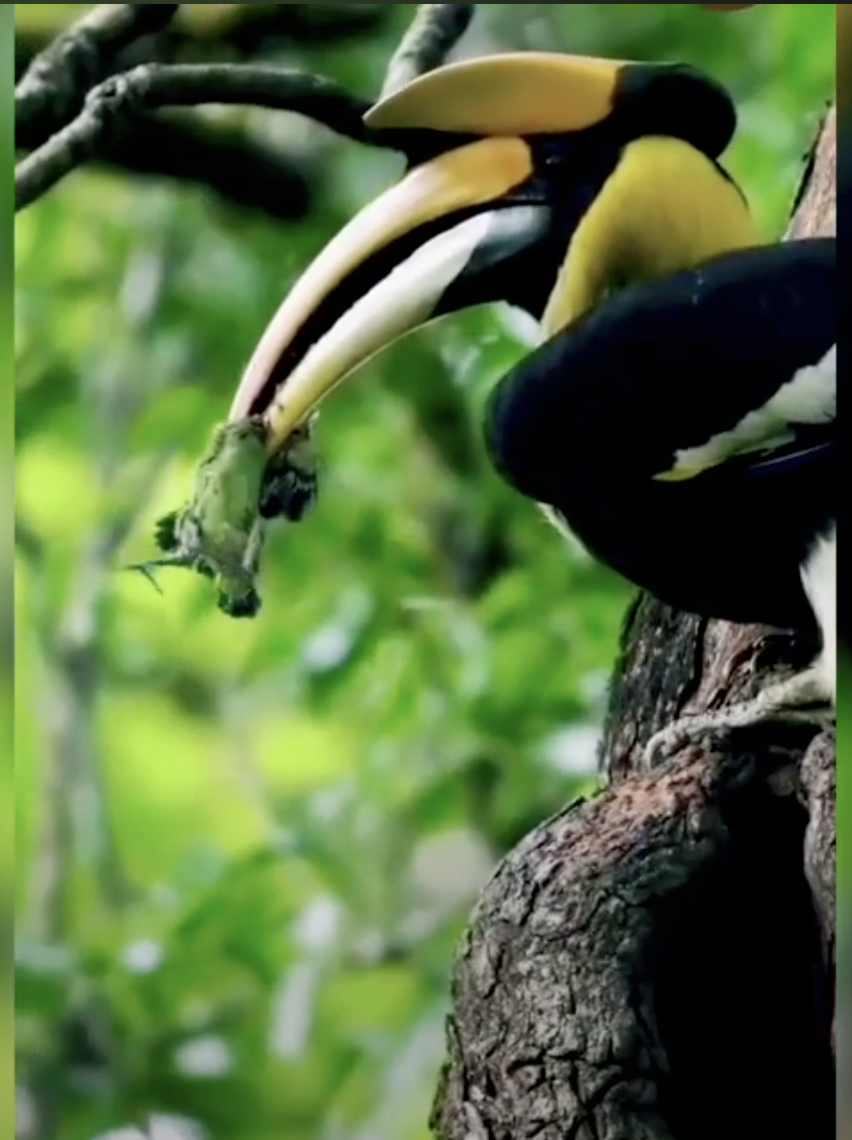
So let’s look at what happened here. A narrative was created out of thin air using a random video of a bird which is 100% inaccurate. But the end result? Many people who know very little about birds or nature fell for it and merrily forwarded it to friends and family. In this particular case it was harmless. Because frankly nobody cared it the hornbill was transferring the chicks or killed them but it made for an emotional story when narrated one way versus the other
But imagine if the same thing were to happen to a tragedy or a world event that impacted thousands of people. The consequences would have been disastrous. This is not theoretical anymore, this is exactly how misinformation spreads on social media. Someone decides to take an old plane crash video from Nepal and decides to post it as the latest tragedy in India. Even the so-called “news outlets” are not immune to this.
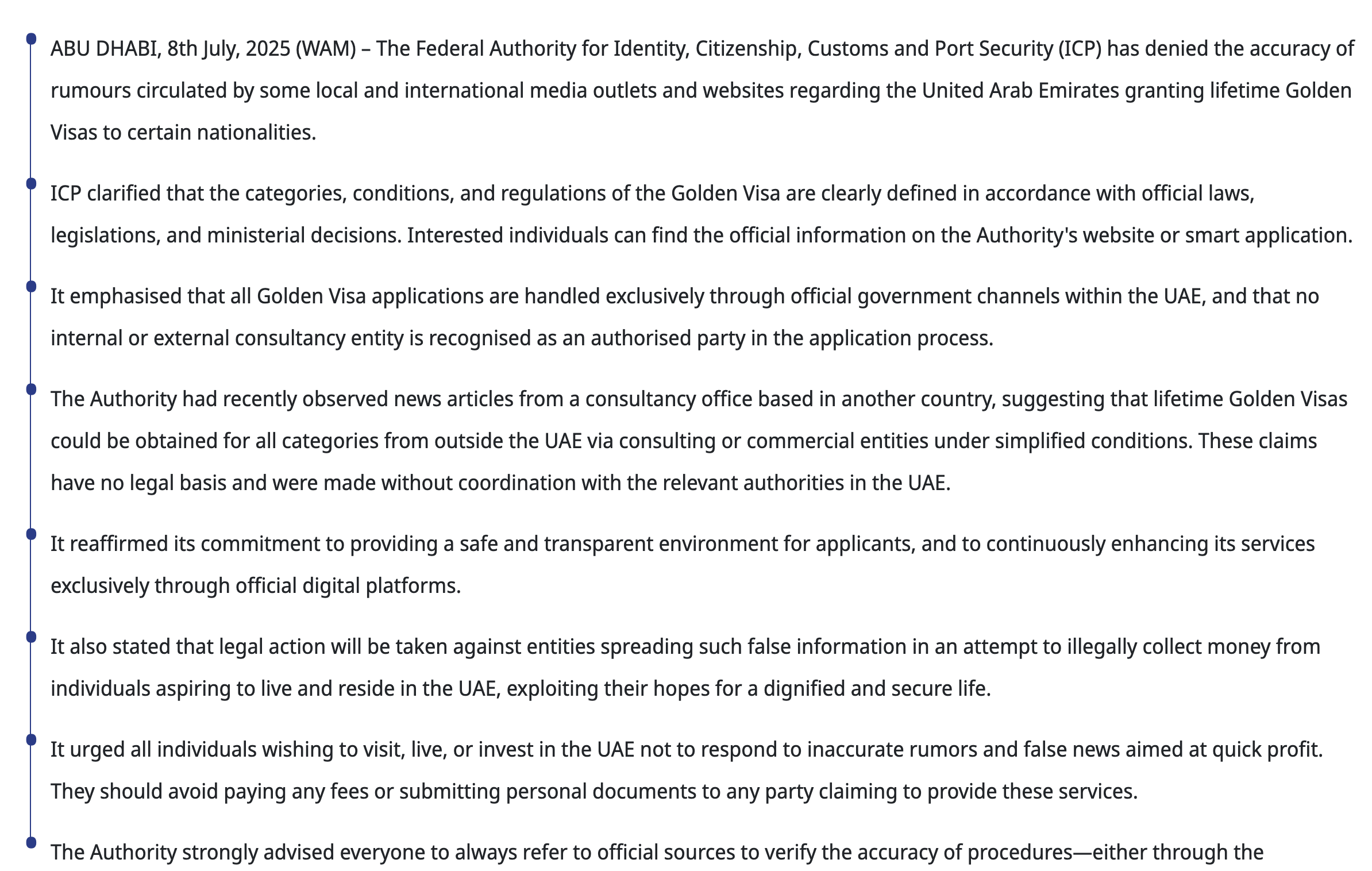
If you think I am exaggerating, take a look for yourself. Nearly every major news outlet in the country published that UAE is offering a no strings attached golden visa to Indians for 23 Lakhs. Influencers quickly lapped this up and started making content on how you should plan your move there.
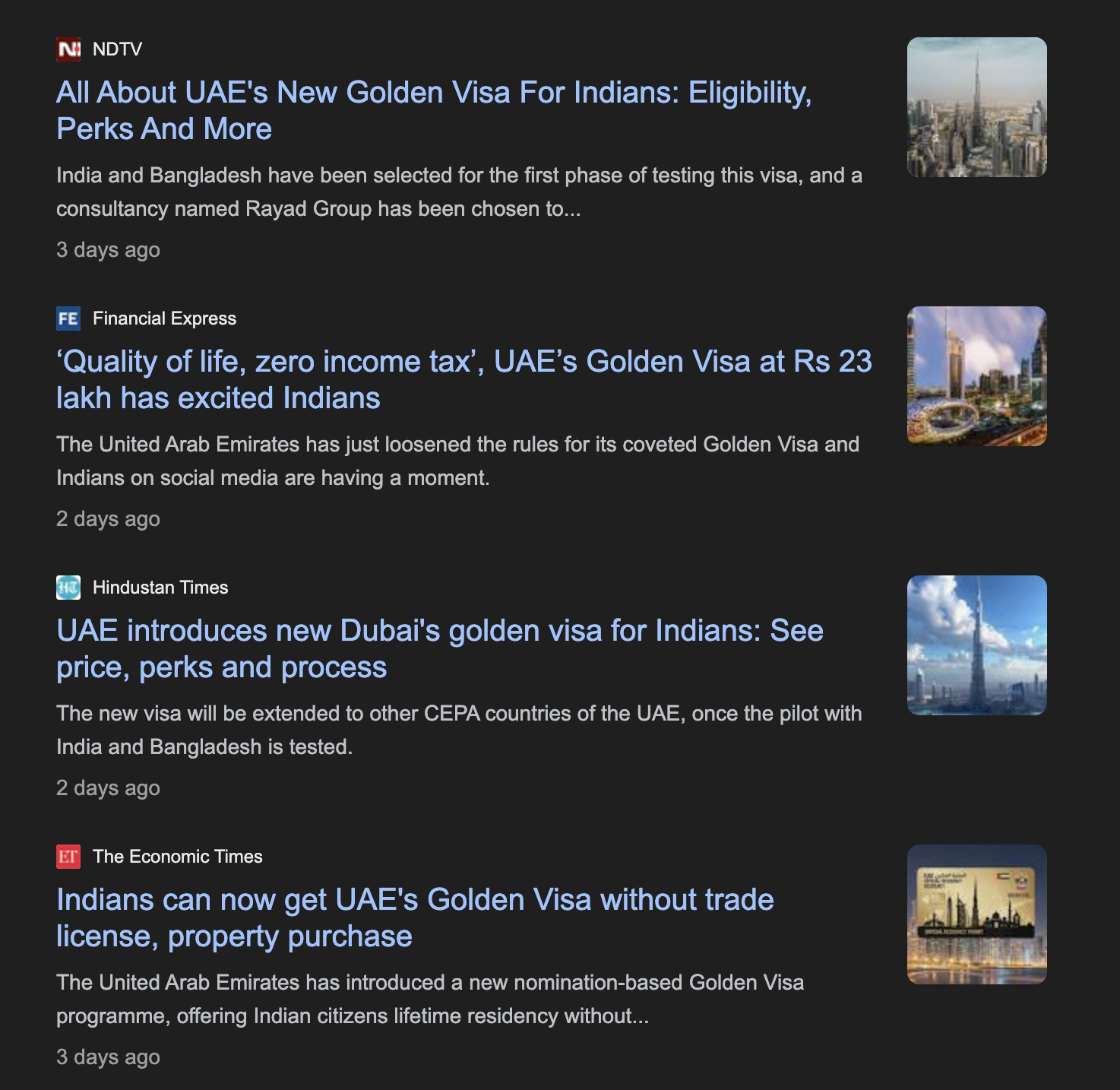

Turns out this entire thing was floated by some agency who was trying to get people’s money under the guise of helping them with this “scheme”.
The news was officially debunked by the ICP which is UAE’s official government agency dealing with immigration and ports.
The why and how of this
Why would someone decide to do such a thing? Frankly there could be many reasons that you and I may never know for sure. It could be that they are seeking social media engagement that results in money being paid to them. It could be that they are an agent of a political party that wants to sway the opinions of thousands of voters. Someone who wants to incite violence or get the general population riled up against the incumbents. In the above example, the middlemen were trying to scam people that were interested in immigrating out of the country. The possibilities are endless but they mostly revolve around money or influence.
What can we do about this?
The least you and I can do is stop spreading misinformation. To be able to do that we must first be able to identify what misinformation looks like.
1. Identifying misinformation
Misinformation comes in all shapes and forms, it can be simple text, audio, video or a photo with text. It can get quite challenging to identify whether something is real or accurate. Practically nobody can fact check everything that they receive as it can get tiring and oftentimes inconclusive. It’s quite evident from the news example above that at times even the mainstream media loses its grip over reality!
2. Dont forward it if you can’t identify it
If you are not sure if something you have received on social media is true, don’t share it. Don’t post it on groups that you are a part of or send to individuals. If you still feel like pushing it forward, send it to a person who might know a bit more about the subject than you do. In our hornbill incident above, I was able to tell my folks what was actually happening in the video. Which in turn they were able to tell their friends. This is the only way we can collectively debunk misinformation.
3. Always refer to the official sources
In the event where even the “reputed” media outlets are pushing something, always rely only on the official websites for such type of information. In this particular case, checking the ICP website should have told you that there is no such thing as a golden visa for 23 lakhs.
4. Check the platform specific controls
Some platforms like Twitter have a feature called “Community Notes” where the community can provide accurate information if a post is misleading. It gets much trickier for platforms like WhatsApp or the traditional media. There can be certain indicators that might help you spot it. If you see that something is labeled “Forwarded many times” it is highly likely that the text that came with the video is inaccurate, kind of what happens when you play the game of Telephone. In case of the news, if something appears too good to be true, it likely is.
5. Common sense is your best friend in fighting misinformation
In addition to all of the above, use common sense. Think before clicking that share or forward button. Try to think about what you are about to share and the impact of sharing it if what you shared turned out to be wrong or false.
In conclusion
Misinformation is a huge problem for social media right now and it’s only going to get worse with the proliferation of AI. There are teams of researchers working on this exact problem. AI can already generate extremely realistic looking audio, video, text and images so it becomes even more important to be mindful of the content that you are sharing via Social Media. Let’s collectively do our bit to stop the spread of misinformation.